
SNSF FUNDED RESEARCH
Swiss National Science Foundation (SNSF) funded research projects build my core activity. They are described further below. See also my profile on the SNSF-database for official details about my SNF-related projects.
SHORT SUMMARIES
Thinking Games for Commoning. Alternative Urban Neighborhoods as a Field of Research in experimental-transformative Media Design
Period: From Jan. 2018, 48 Months, Lead: Dr. Shintaro Miyazaki; Research team: Dr. Selena Savic, Dr. Viktor Bedö, Michaela Büsse, Yann Martins, Kayla Bolsinger >> project webpage: commoning.rocks/
> With the focus on alternative, utopia-inspired urban neighbourhood initiatives in Switzerland this research project proposes experimental design and inquiry into media-based thinking tools which will help to better illustrate, demonstrate and negotiate the complexity of their sharing processes. Commons are sustainably and collectively managed resources, such as food, or communication infrastructures, such as Wi-Fi. Commoning, then, is the activity of sharing these resources. The aspiration formulated throughout numerous alternative, utopia-inspired projects that seeks to design infrastructural aspects of urban everyday life in an alternative and autonomous way, through commoning, raises several questions. Since, based on the high level of complexity that (occasionally) comes with the shared use of resources, for the individual community member it is often difficult to estimate his or her own action and consequences to the very last detail. Especially when it comes to unpredictable, complex adaptive processes, he or she can no longer completely grasp them intuitively nor follow them without the help of media-based thinking tools — such as computer-based models or scenarios — which make those processes not only visible but also comprehensible. For this reason, we will, in close collaboration with the members of three Swiss urban neighborhood projects: NeNa1 in Zurich, LeNa in Basel and Warmbächli in Bern, create playful simulations, games and thinking-toys and design new thought-spaces for commoning. Our aim is to enable alternative and engaging ways for future social participation and transformation processes.
The Sensorium of Animals. Electroreception in Experimental and Historical Media and Design Research
Period: From Jan. 2016, 36 Months, Lead: Dr. Shintaro Miyazaki; Research team: Susanna Hertrich >> project webpage: sensorium.ixdm.ch/
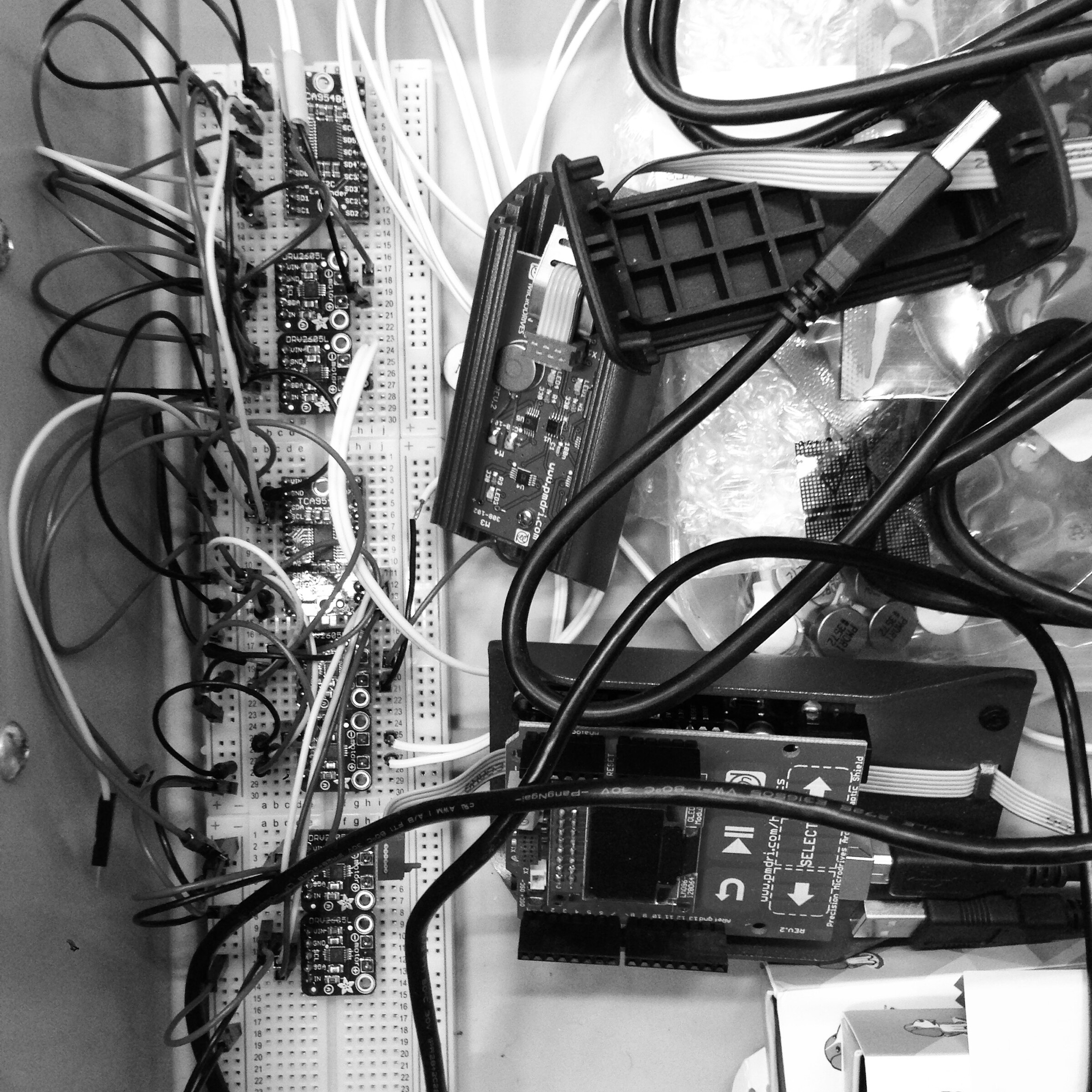
> This research project explores the possibilities of technology mediated systems to alter the human sensory apparatus from artistic-experimental and media historical angles. One part of this research focuses on possibilities of expanding the human sensory system beyond its biological limits, taking inspiration from sensorial abilities found in certain animals (such as the elephant nose fish). Artistic-experimental systems in the field of wearable technology will be tried out, researched and made available. Another strand is fictional world-designing: What would a world look like, where we could due to our natural evolution feel our invisible electromagnetic infrastructure and their signals and processes as sensible pulses, rhythms and ticklings? The other part of this research is concerned with the historically informed study of cybernetic man-machine-structures in media history, along a history of knowledge of sensory physiology of non-human organisms that have continuously provided repercussion into the cultural history of media. This project is situated at the intersection of biology, media technology, experimental media practice and media aesthetics, design research and media history.
"Experimental Data Aesthetics. Multi-sensory Exploration of High-dimensional Data Sets as an Issue of Design Research"
Period: From Jan. 2014, 24 months; Lead: Prof. Dr. Claudia Mareis; Research team: Dr. Shintaro Miyazaki, Ludwig Zeller
> In empirical sciences the media aesthetics of the very own thinking tools are seldom explicitly considered in research projects. The fact, that research results are represented not only textual but especially by visual means and that at the same time, these forms of expression have a significant influence on the research process has already been recognized and elaborated strongly by media, cultural and design studies. The application of these insights back to the representational tools of the empirical sciences is one of the most relevant contributions of design research still due. Key subject of the application-oriented research project is the cultural technique of the explorative analysis of high-dimensional data, that has been researched in the field of computational sciences since the 1960s, but rarely exceeded modes of mere visualization of data. Based on a critique of the media aesthetics of these representational modalities, the project aims at a multi-sensory approach to data analysis by the synthesis of seeing and hearing. Guiding questions are, how the conventional, standardized methods of visualization in the field of explorative data analysis can be extended by means of sonification, and how such an approach can be elaborated by experimental as well as historico-theoretical informed methods of design research.